HEIDENHAIN LB301 Scale/Encoder Repair
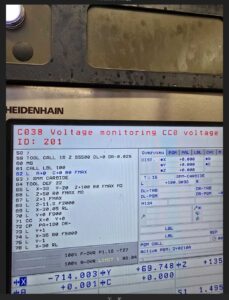
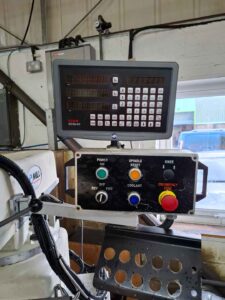
EEC Ltd received a call from a new customer – recommended by a third-party service company we had previously completed repairs for. They were experiencing an ‘encoder amplitude low’ alarm on a HEIDENHAIN LB301 scale/encoder. EEC Ltd visited the customer on-site swiftly, to discover the history of the machine and the physical state of the HEIDENHAIN LB301 linear scale/encoder. The machine had been stored for 5 years, causing any existing contamination within the scale to settle and consolidate, resulting in further damage to the scanning head.
HEIDENHAIN LB301 Encoder Disassembly and Cleaning
Once EEC had removed the scale, the HEIDENHAIN encoder was carefully disassembled, uncovering the extremely poor condition of the scale – one of the worst that EEC engineers have ever seen with a unit still in working order. The first job was to completely strip the scale including both lip seals, all 3 bearing tapes and the grating tape.
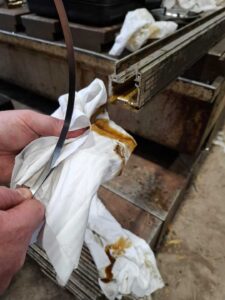
Removal of 1 of the 3 bearing tapes whilst wiping down most of the contamination, being careful not to kink any of the 4 tapes.
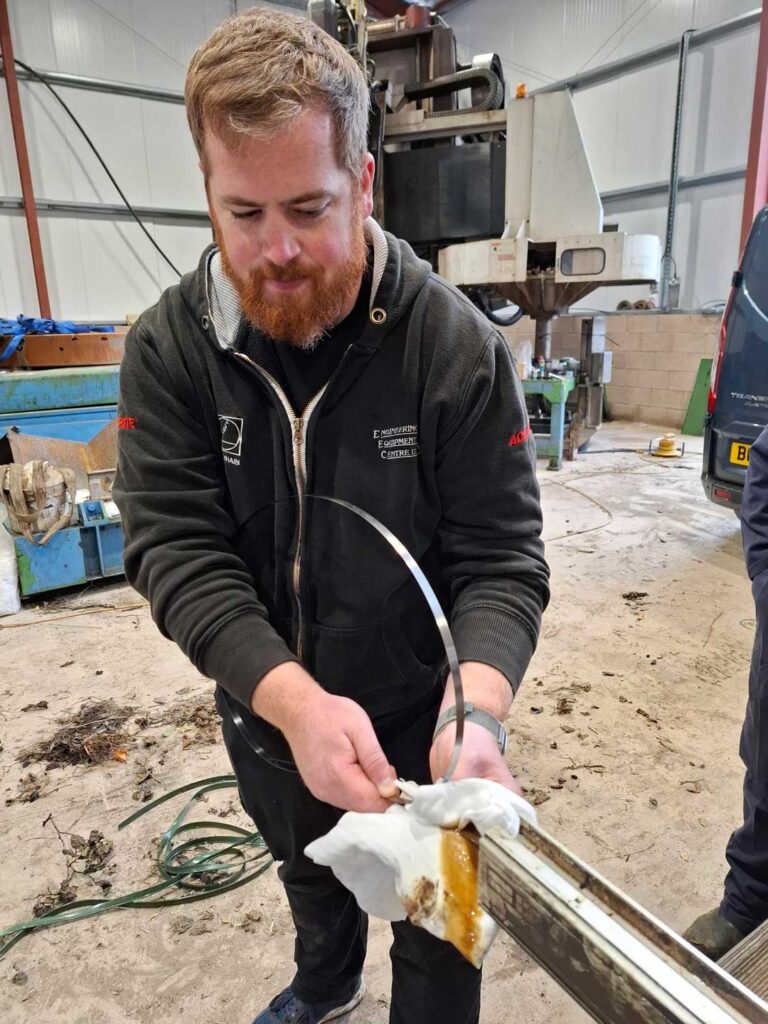
Technique used to remove the tape without damaging it. If any of the tapes are damaged or kinked, the tape will require replacement, otherwise it causes signal/scanning issues due to the head moving.
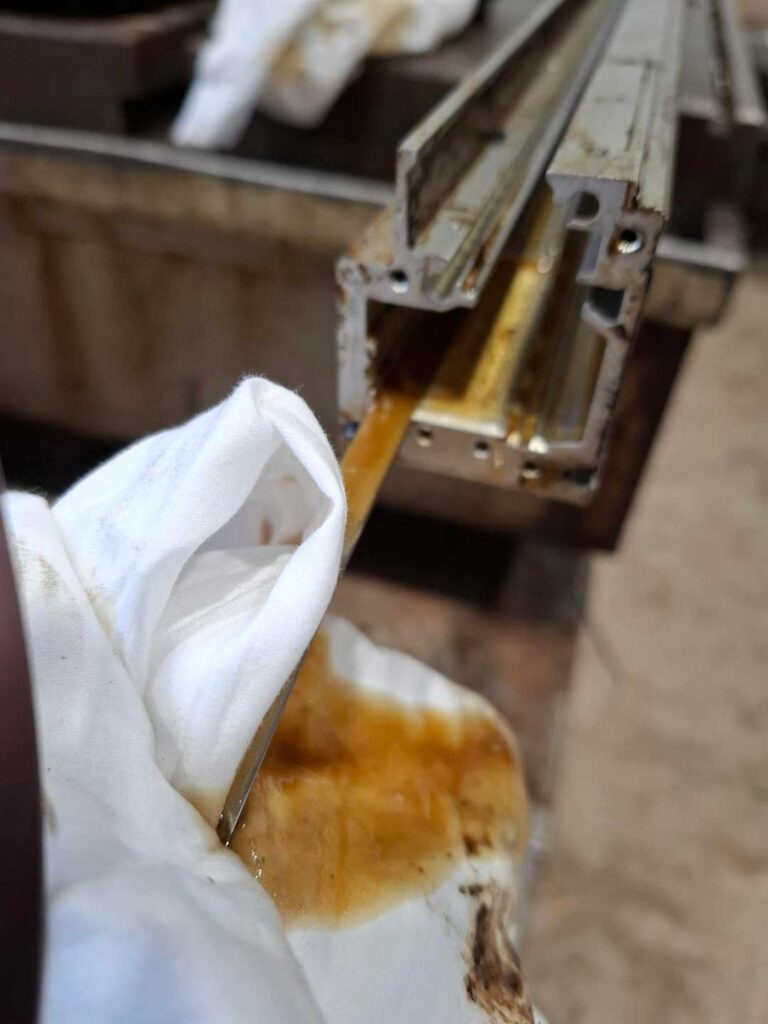
Another photo showing the level of contamination inside the linear scale with the grating tape still in situ.
Removing Contamination From The Scanning Head and Extrusion
Once the scale had been stripped down to a bare aluminium extrusion, the scale body was jet washed to remove as much contamination as possible, as quickly as possible. Once the extrusion had been cleaned the unit was put to one side, standing on one end to drip dry. Whilst the scale was drying, EEC engineers stripped and cleaned the scanning head – including removal all adjustment screws to ensure that it was cleaned free of any remaining oily residue between the lenses.
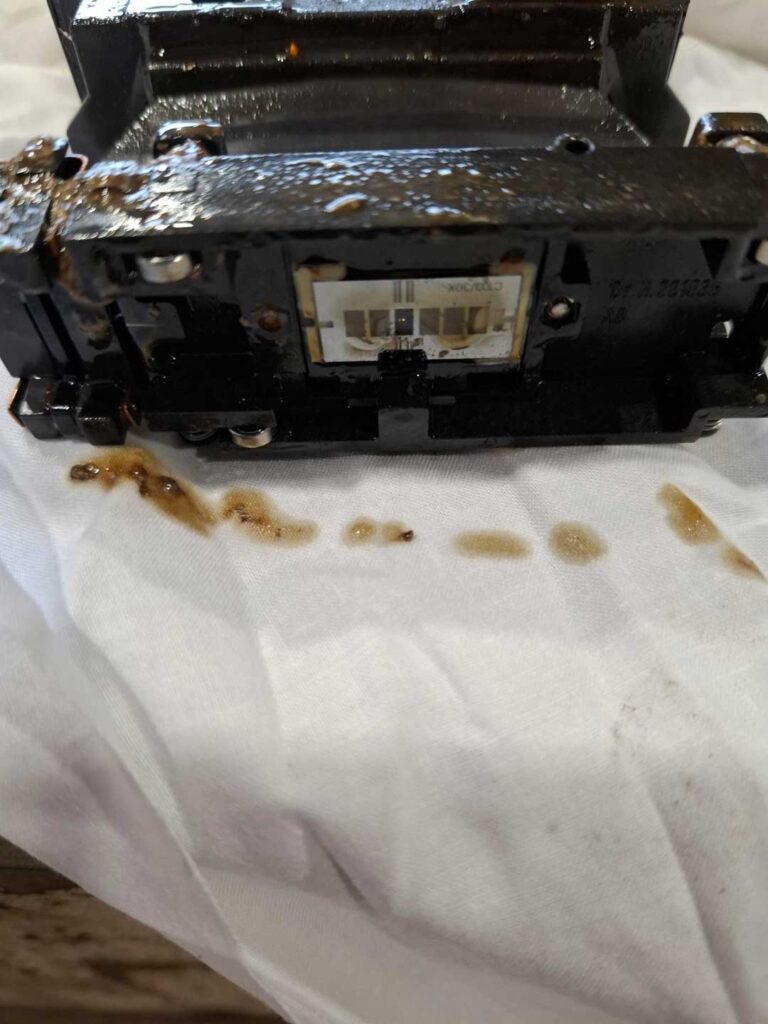
The level of ingress and contamination of the reader head on all surfaces including bearings and the scanning lens used to generate the signals back to the control.
Rebuilding the LB301 Scale
After the initial clean of the scanning head had been completed attention was turned back to the HEIDENHAIN scale extrusion. cleaning thoroughly to ensure all contamination was removed from the unit – including all the crevasses in the bearing runners and grating support. Once EEC engineers were happy with the cleanliness of the extrusion, the bearing tapes and grating tapes were fed back into the extrusion – thoroughly cleaning them as they were inserted into the extrusion. Once the tapes were installed back into the extrusion, the scale was given another clean before new replacement lip seals were inserted. Continually cleaning after each stage of the rebuild, the reader head was fitted back into the scale and connected back up to the HEIDENHAIN PWM 20 test equipment.
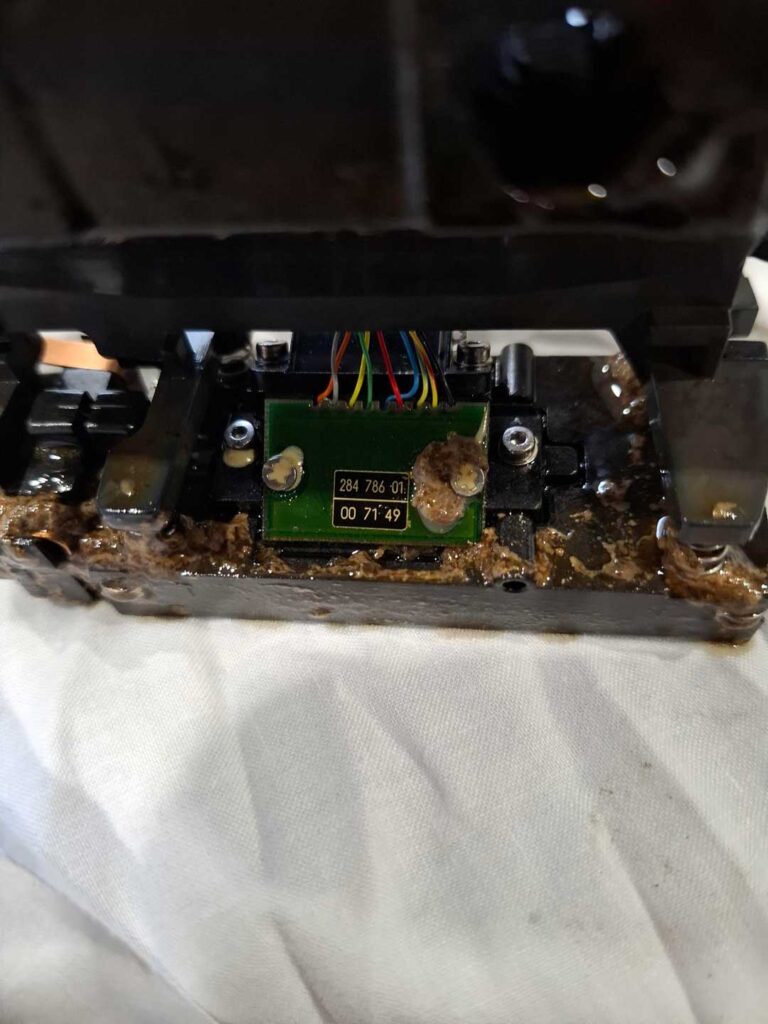
Top view of the contamination of the scanning head, that left much longer could have compromised the electronics of the scanning head rendering the unit
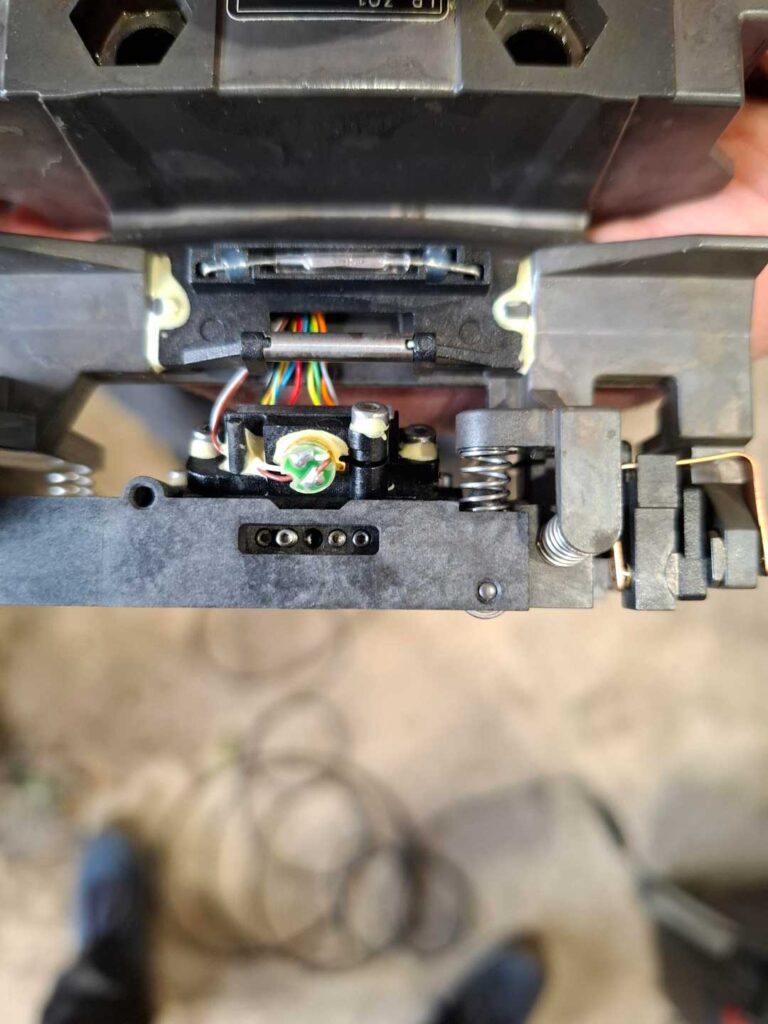
View of the scanning head once the unit had been stripped and thoroughly cleaned. This is the standard that the scale and tapes would have also been to, prior to installing the scanning head back into the scale.
Re-Installation, Testing and Calibration of the LB301
Once the scanning head was reinserted into the scale and plugged into the test HEIDENHAIN equipment, EEC engineers were able to adjust the signals coming out of the scanning head to an almost new level, however they were not happy with the amplitude of the signals as they were too small. After removing the scanning head once more, EEC engineers deemed that there was still too much contamination on the inside the scanning head. The scanning head was completely stripped – including the index lenses, to ensure that all the contamination was removed, and reassembled.
Following reassembly, HEIDENHAIN the scale/encoder signals were tested and adjusted again, with EEC engineers happier with the amplitude – not as high as they would have liked in an ideal world. However, with the scanning head resistance turned all the way down, EEC engineers were unable to boost the signals any further. But this outcome was more than suitable for operation.
The HEIDENHAIN LB301 scale was refitted to the machine, clocking the scale to within 0.1mm level and ensuring the scanning head gap of 1.5mm was adhered to. The machine was powered up and referenced successfully with no error warnings. The machine was subsequently moved rapidly around its working envelope to ensure that the control was happy with the signals coming out of the scale under its most extreme movements. EEC engineers were happy with the results and customer was very appreciative of EEC breathing new life into the machine again – within the day, reducing downtime and ensuring that production could resume with the least interruption.
In this case EEC engineers recommended that the customer purchased a new replacement scanning head, due to the age of the existing unit (30+ years old). The LED had faded in power and the amplitude would remain low – reducing the amount of contamination the unit could take before another error would be detected by the control.
However, 30 years operation with the original scanning head is testament to the WORLD-CLASS quality of HEIDENHAIN products.